Waste to Energy Explained: Danantara’s Plan for Indonesia
Key Takeaways
- Waste-to-Energy reduces landfill pressure while generating electricity by converting non-recyclable waste into reliable baseload power, making it a practical solution for Indonesia’s growing urban waste problem.
- Danantara’s national WtE program positions waste as a strategic energy resource, with planned facilities across dozens of cities to support cleaner cities, energy security, and circular economy goals.
- WtE works best as part of an integrated waste system, where recycling is prioritized, emissions are strictly controlled, and modern technology ensures environmental and public health safety.
What Is Waste to Energy?
Waste to Energy (WtE) is a waste management and power generation approach that converts non-recyclable municipal solid waste into usable energy, most commonly electricity.
Instead of sending residual waste to landfills where it produces methane and long-term pollution, WtE treats waste as a resource that can be recovered safely and productively.
In Indonesia, WtE has entered a new phase through a national-scale initiative led by Badan Pengelola Investasi Daya Anagata Nusantara (BPI Danantara). This program aims to accelerate the development of waste-to-electricity facilities across multiple cities as part of Indonesia’s broader circular economy and energy transition strategy.
Importantly, WtE does not replace recycling. In best-practice systems, recycling and waste reduction come first, while WtE is used to process residual waste that cannot be economically recycled.
How Waste to Energy Works?
Waste to Energy works by extracting energy from waste through controlled, engineered processes. The most widely deployed method globally is thermal treatment with energy recovery, commonly known as incineration.
In this process, municipal waste is burned at high temperatures in a controlled environment. The heat generated produces steam, which drives turbines connected to generators, producing electricity.
Modern WtE plants are equipped with advanced flue-gas treatment systems to capture particulates, acidic gases, and heavy metals before emissions are released.
Danantara’s WtE projects, also referred to as Pengolahan Sampah Menjadi Energi Listrik (PSEL), are designed to process around 1,000 tons of waste per day per site, generating approximately 15 megawatts of electricity per facility. These plants are expected to meet international environmental standards and operate under strict regulatory oversight.
Also Read: Our PP Recycling Process - Langgeng Jaya Group
Key Benefits of Waste to Energy
One of the most immediate benefits of WtE is significant landfill reduction. Thermal WtE can reduce waste volume by up to 90 percent, easing pressure on landfill capacity—an urgent issue in many Indonesian cities.
WtE also provides stable baseload electricity. Unlike solar or wind power, WtE facilities can operate continuously as long as waste is available. This reliability makes WtE a useful complement to intermittent renewable energy sources, particularly in dense urban areas.
From an environmental perspective, WtE helps reduce greenhouse gas emissions by avoiding landfill methane, which is substantially more potent than carbon dioxide. According to assessments by international environmental agencies, WtE can deliver net climate benefits when compared to uncontrolled landfilling.
Why Waste to Energy Is Important for Indonesia?
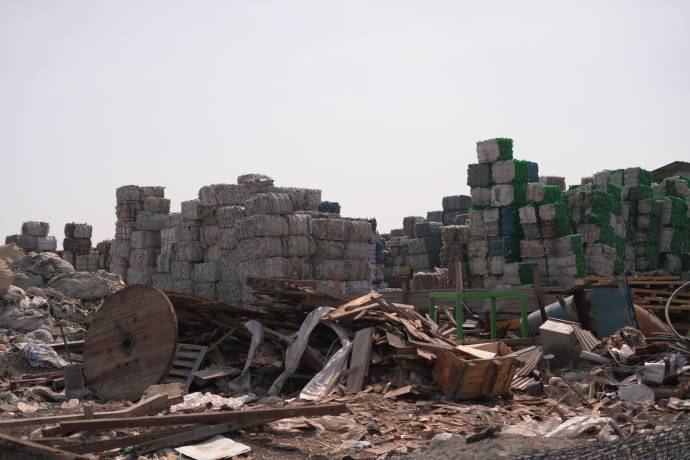
Indonesia faces a growing waste challenge driven by urbanization, population growth, and changing consumption patterns. Many cities still rely heavily on open dumping or overburdened landfills, which pose risks to public health, groundwater, and coastal ecosystems.
Danantara’s WtE initiative directly addresses this issue by integrating waste management with energy infrastructure development. The program targets 33 cities nationwide, with initial projects concentrated in major urban centers such as Jakarta, Surabaya, Bandung, Denpasar, and Makassar.
By linking waste treatment to energy generation, WtE supports Indonesia’s national goals on renewable energy expansion, emissions reduction, and sustainable urban development.
Also Read: Products Made from Recycled PET - Endless Possibilities
Does Waste to Energy Work?
Waste to Energy is a proven technology that has been successfully implemented in regions with strict environmental regulations, including Europe and Japan. In these countries, WtE plants often operate close to residential areas without measurable negative health impacts, due to advanced emission control systems and continuous monitoring.
For Indonesia, effectiveness depends on proper implementation. Danantara’s approach includes structured project tenders, cooperation with local governments, and participation from experienced domestic and international investors. This framework increases the likelihood that WtE plants will operate efficiently, transparently, and in line with environmental standards.
Key Considerations and Challenges
Despite its advantages, WtE requires careful planning. One major consideration is high capital cost, with investment estimates reaching Rp2–3 trillion per facility. This makes long-term financing, government support, and investor confidence critical factors.
Public perception is another challenge. Concerns about air pollution can arise if WtE is associated with outdated incineration practices. Clear communication, transparent emissions data, and independent environmental monitoring are essential to maintaining public trust.
Finally, WtE must be integrated with strong recycling policies. Without proper safeguards, there is a risk that valuable recyclable materials could be diverted to energy recovery instead of being reused.
What Is the Future of Waste to Energy?
The future of Waste to Energy in Indonesia is closely tied to Danantara’s execution of its national rollout. Construction of initial WtE plants is expected to begin in phases starting in 2026, with long-term plans to expand capacity across urban regions.
Globally, WtE technology continues to evolve, with improvements in efficiency, emissions control, and carbon capture. As Indonesia advances its climate commitments and waste management reforms, WtE is likely to become a permanent component of the country’s integrated waste and energy system — supporting cleaner cities and more resilient power supply.