Virgin vs Recycled Polyester Staple Fiber: Quality Comparison
Key Takeaways:
- Virgin vs Recycled PSF: Same Polymer, Different Origins – Both fibers are made from PET and share similar core properties, but virgin polyester staple fiber uses new petrochemical raw materials, while recycled PSF is produced from post-consumer PET waste such as plastic bottles.
- Performance vs Sustainability Trade-off – Virgin PSF generally offers slightly higher purity, strength, and consistency, whereas recycled PSF delivers significant environmental benefits, including lower energy consumption and reduced carbon emissions.
- Material Choice Depends on Application Needs – High-performance industrial textiles may favor virgin PSF, while filling materials, nonwovens, and sustainability-focused products can effectively use recycled PSF, especially when sourced from reliable suppliers like Langgeng Jaya Group.
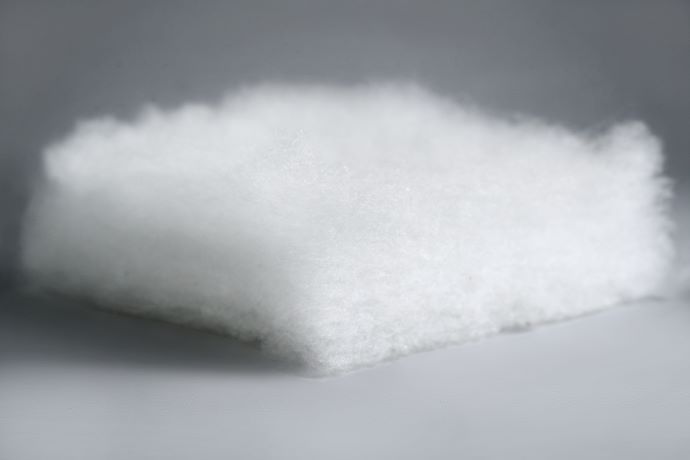
Polyester staple fiber (PSF) is one of the most widely used synthetic fibers in modern manufacturing. It appears in products ranging from pillows and insulation to automotive interiors and textiles.
Today, manufacturers can choose between virgin polyester staple fiber made from new petrochemical raw materials and recycled polyester staple fiber produced from post-consumer or post-industrial plastic waste.
For buyers, engineers, and manufacturers, understanding the quality differences between virgin and recycled PSF is critical before deciding which material to use. While both fibers share the same basic polymer structure, their performance, sustainability profile, and cost characteristics can vary depending on production processes and raw material quality.
This article provides a technical comparison to help decision-makers evaluate both options.
What Is Polyester Staple Fiber?
Polyester staple fiber (PSF) is a short synthetic fiber produced from polyethylene terephthalate (PET).
Unlike filament polyester, which is produced as long continuous threads, staple fibers are cut into short lengths (typically 32–102 mm) so they can be spun or blended like natural fibers.
PSF is commonly used in:
- Pillow and cushion filling
- Mattress padding
- Nonwoven fabrics
- Automotive insulation
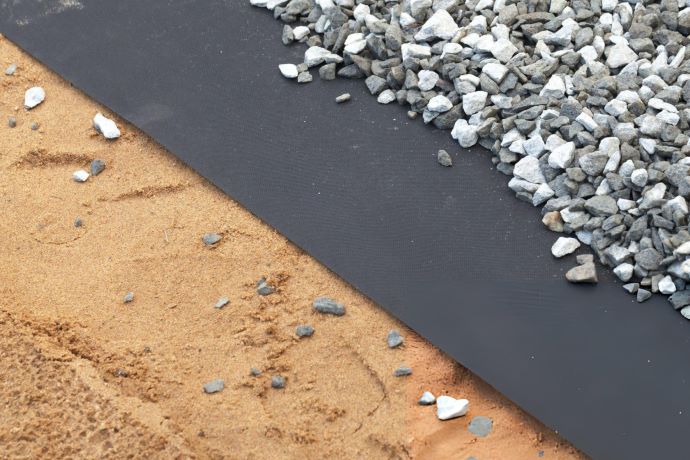
- Carpets and geotextiles
- Apparel and blended textiles
- Furniture upholstery
Manufacturers choose PSF because it offers several desirable properties:
- High durability and tensile strength
- Resistance to moisture and mildew
- Lightweight structure
- Good resilience and shape recovery
- Low production cost compared with natural fibers
These properties remain generally consistent across both virgin and recycled polyester staple fibers.
However, the source of raw materials and processing methods can affect overall fiber quality.
Also Read: Recycled PET vs Virgin PET - Key Differences Explained
What Is Recycled Polyester Staple Fiber?
Recycled polyester staple fiber (rPSF) is produced from reprocessed plastic materials, most commonly:
- Used PET bottles
- Industrial polyester waste
- Textile manufacturing scraps
The recycling process typically includes:
- Collection and sorting of PET waste
- Cleaning and removal of contaminants
- Shredding into flakes
- Melting and re-extrusion into fibers
- Cutting fibers into staple lengths
Because recycled polyester uses existing plastic materials, it significantly reduces the need for virgin petroleum resources.
According to the Textile Exchange, recycled polyester production can reduce energy consumption by up to 45–60% compared to virgin polyester manufacturing.
Also Read: Recycled PET for Clothing — Benefits, Limits & Sourcing
What Is Recycled Polyester Staple Fiber Used For?
Recycled PSF is used in many of the same applications as virgin PSF, particularly in industries prioritizing sustainability.
Common uses include:
1. Home Furnishing Products
- Pillow filling
- Cushions
- Comforters
- Sofa padding
2. Automotive Interiors
- Seat cushioning
- Sound insulation materials
- Headliners and trim fabrics
3. Nonwoven Materials
- Geotextiles
- Insulation panels
- Carpet backing
4. Textile and Apparel Applications
- Blended fabrics
- Jackets and outerwear insulation
- Sportswear materials
The growing demand for sustainable materials has accelerated the use of recycled PSF in global textile supply chains.
Also Read: Products Made from Recycled PET - Endless Possibilities
Key Comparisons
Understanding the differences between virgin and recycled polyester staple fiber requires looking at several performance factors.
Raw Material Source
Virgin polyester staple fiber is produced from new petrochemical resources, primarily purified terephthalic acid (PTA) and monoethylene glycol (MEG). These raw materials are polymerized to create new PET.
Recycled PSF, in contrast, is derived from existing PET materials, such as plastic bottles or textile waste. This means the polymer has already undergone at least one processing cycle.
While the base polymer is chemically identical, recycled materials may contain impurities or degraded molecular chains if not processed carefully.
Fiber Strength and Durability
Virgin polyester fibers generally exhibit slightly higher tensile strength and consistency because they are produced from pure, controlled raw materials.
Recycled fibers may experience:
- Reduced molecular weight
- Slightly lower tensile strength
- Higher variability between batches
However, modern recycling technologies such as melt filtration and solid-state polymerization have significantly improved recycled fiber quality. In many applications like filling or insulation, the performance difference is minimal.
Purity and Consistency
Virgin PSF offers higher polymer purity, which leads to:
- Uniform fiber diameter
- Stable mechanical properties
- Consistent dyeing behavior
Recycled PSF quality depends heavily on the sorting and cleaning process. Poorly sorted feedstock can introduce contaminants such as:
- Labels and adhesives
- Other plastic polymers
- Color residues
High-quality recycling facilities can minimize these issues through advanced sorting and filtration systems.
Environmental Impact
One of the biggest advantages of recycled polyester is its environmental benefit.
Compared with virgin polyester, recycled PSF can:
- Reduce petroleum use
- Lower greenhouse gas emissions
- Divert plastic waste from landfills and oceans
According to research published by the Textile Exchange Preferred Fiber & Materials Market Report, recycled polyester production can reduce carbon emissions by up to 30–50% depending on the recycling method.
This makes recycled polyester a preferred option for companies pursuing sustainability targets and ESG commitments.
Cost Considerations
The cost difference between virgin and recycled PSF depends on several factors:
- Oil prices
- PET waste availability
- Recycling infrastructure
- Fiber quality requirements
Historically, recycled polyester was cheaper because it used waste materials. However, increasing demand for recycled plastics has sometimes made rPSF equal in price or even slightly more expensive than virgin PSF.
Manufacturers often weigh cost vs sustainability benefits when selecting materials.
Summary Table of Differences
| Factor | Virgin Polyester Staple Fiber | Recycled Polyester Staple Fiber |
| Raw Material | Petrochemical resources | Recycled PET bottles or waste |
| Fiber Purity | Very high | Depends on recycling quality |
| Strength | Slightly higher and more consistent | Slightly lower but improving |
| Environmental Impact | Higher carbon footprint | Lower emissions and waste reduction |
| Production Process | Polymerization from new chemicals | Reprocessing of PET waste |
| Cost Stability | Linked to oil prices | Linked to recycling supply chain |
| Sustainability | Limited | Strong sustainability advantage |
Overall, the two materials are chemically similar but differ in environmental and quality factors.
What Is the Difference Between Polyester and Recycled Polyester?
Polyester and recycled polyester are chemically the same material. Both are made from PET polymer and share the same core properties.
The difference lies in how the material is produced.
Virgin polyester:
- Made from newly synthesized petrochemicals
- Requires extraction of crude oil and natural gas
- Typically offers the highest polymer purity
Recycled polyester:
- Made from previously used PET plastics
- Reduces demand for fossil fuels
- Helps manage plastic waste streams
Because the polymer structure remains the same, many recycled polyester fibers perform similarly to virgin polyester in most non-critical applications.
Is Recycled Polyester Better Than Cotton?
The comparison between recycled polyester and cotton depends on the criteria used.
Environmental Perspective
Recycled polyester can outperform cotton in several sustainability metrics:
- Cotton farming requires large amounts of water
- Cotton often relies on pesticides and fertilizers
- Recycled polyester uses existing materials and less energy
Studies by the Higg Materials Sustainability Index show that recycled polyester often has lower water consumption and land use impact than conventional cotton.
Performance Perspective
Polyester fibers have advantages over cotton in durability and resilience:
- Better wrinkle resistance
- Higher tensile strength
- Faster drying time
- Better resistance to mildew
However, cotton offers benefits such as:
- Natural breathability
- Greater comfort against the skin
- Biodegradability
As a result, many manufacturers use blended fabrics combining both fibers.
What Are the Disadvantages of Recycled Polyester?
Although recycled polyester offers sustainability benefits, it also has some limitations.
1. Quality Variability
Because recycled materials come from different waste sources, fiber quality may vary between batches if the recycling process is not carefully controlled.
2. Potential Polymer Degradation
Repeated melting and processing can shorten polymer chains. This may slightly reduce:
- Fiber strength
- Durability
- Long-term performance
Advanced recycling technologies can mitigate this issue.
3. Contamination Risks
Recycled PET feedstock may contain:
- Mixed plastics
- Color contamination
- Residual chemicals
These contaminants can affect fiber appearance or mechanical performance if not properly removed.
4. Limited Recycling Cycles
Polyester cannot be recycled indefinitely using traditional mechanical recycling methods because polymer chains degrade over time.
However, chemical recycling technologies are emerging to solve this limitation.
Key Considerations Before Choosing Between Virgin and Recycled PSF
When selecting polyester staple fiber for manufacturing, buyers should evaluate several practical factors.
Application Requirements
Products requiring high mechanical strength and uniformity, such as industrial textiles or high-performance fabrics, may benefit from virgin PSF.
For filling materials or nonwoven applications, recycled PSF often performs equally well.
Sustainability Goals
Companies with environmental commitments or sustainability certifications increasingly prioritize recycled polyester materials to reduce carbon footprints and support circular economy initiatives.
Supply Chain Reliability
Reliable suppliers with advanced recycling processes can deliver recycled PSF with consistent quality comparable to virgin fibers.
Choosing a reputable supplier is often more important than the material category itself.
Cost Efficiency
Manufacturers should evaluate
- Raw material price fluctuations
- Long-term supply availability
- Customer demand for sustainable products
In some markets, using recycled polyester can increase brand value and market appeal, even if the material cost is slightly higher.
Recycled Polyester Staple Fiber from Langgeng Jaya Group
For manufacturers looking for sustainable polyester fiber, Langgeng Jaya Group supplies recycled Polyester Staple Fiber (PSF) made from post-consumer PET bottles. The fiber is produced under the Global Recycled Standard (GRS), which verifies recycled content and responsible supply chain practices.
Their PSF is designed for a variety of textile and non-woven applications and is available in several constructions:
- Hollow Conjugated Siliconized – available in 3D, 7D, 10D, and 15D (32 mm and 64 mm). Commonly used for filling materials such as pillows, cushions, bolsters, mattresses, and bedding because it provides softness and good volume retention.
- Hollow Conjugated Non-Siliconized – available in 7D and 15D (32 mm and 64 mm). Typically used as raw material for non-woven products that require stable fiber structure and consistent performance.
- Solid PSF – available in 6D, 20D, and 30D (64 mm). Suitable for industrial and non-woven textile applications where strength and durability are required.
Different industries may require different fiber specifications, so the company can also discuss custom PSF requirements depending on the intended application.